What the cartridge names mean
The first number in 7.62×39mm and 5.45×39mm is a nominal bullet diameter; the second is the nominal case length. Those labels are identifiers, not complete engineering drawings. Chamber and cartridge standards include many additional dimensions, tolerances and reference points. For that reason, a similar-looking cartridge is not evidence of compatibility.
The 7.62×39mm cartridge is associated with the original AK and the AKM lineage. The 5.45×39mm cartridge is associated with the AK-74 lineage. Their different proportions produce visibly different magazine curvature, which can be a useful identification clue when viewing a complete historical object. Chambering should still be taken from reliable markings and documentation, never guessed from furniture or country alone.
Steel and brass cases
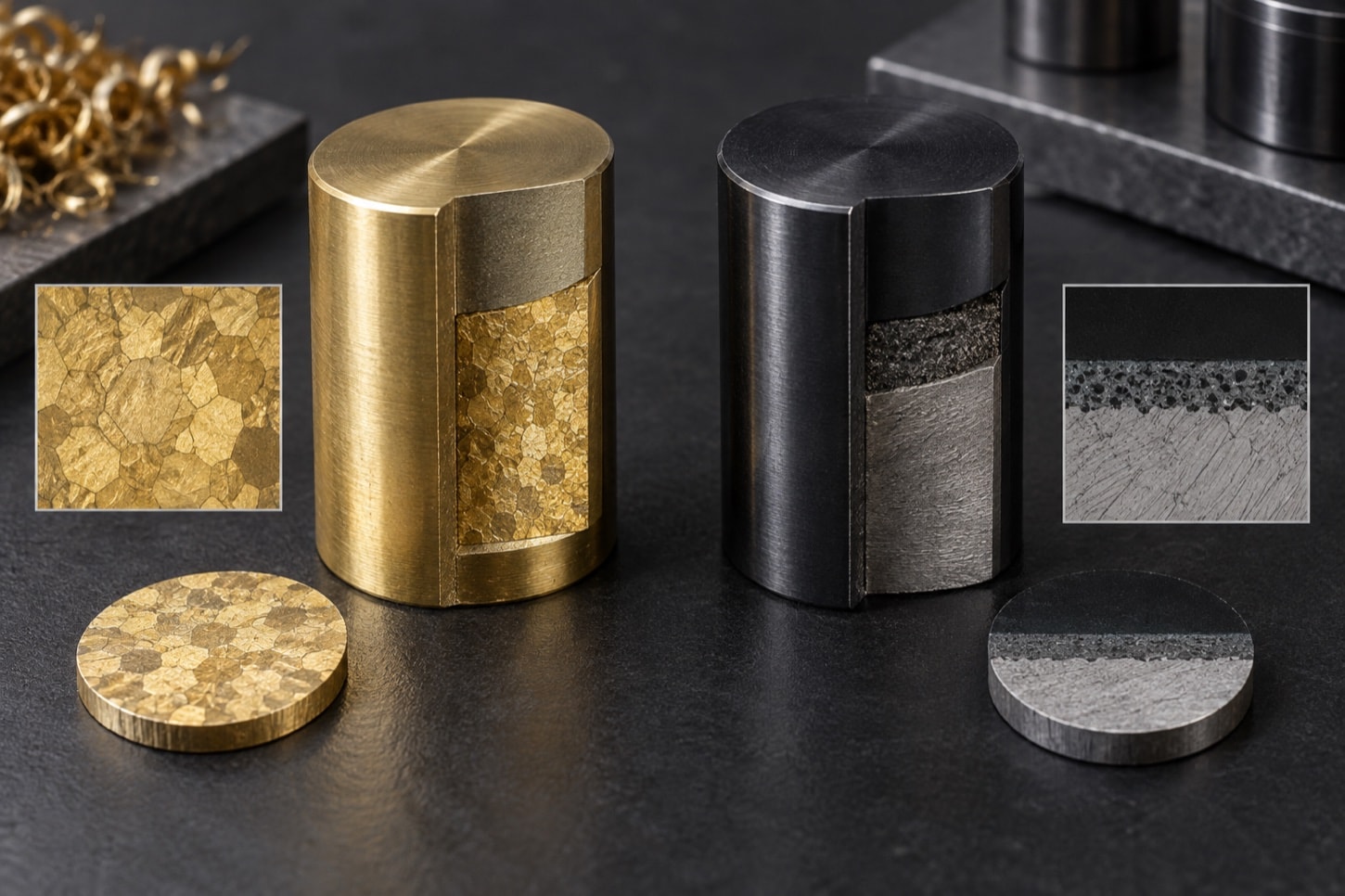
Both steel and brass have been used as cartridge-case materials. Brass is naturally corrosion resistant and readily forms a gas seal as pressure expands the case against the chamber wall. Steel is strong and economical but generally needs a protective surface treatment. Historical and commercial steel cases may therefore appear lacquered, polymer-coated, plated or otherwise finished.
Material choice does not create a simple good-versus-bad scale. Case geometry, hardness, coating, storage history and the firearm's chamber all matter. Surface colour is also an imperfect clue: a coating may disguise the base metal, and brass-coloured finishes do not necessarily indicate a solid brass case. This page records construction categories without assigning a performance or reliability verdict to a brand.
Berdan and Boxer priming
Berdan and Boxer describe two common primer arrangements in centre-fire cartridges. In Boxer-primed cases, the anvil is part of the primer assembly and the case commonly has one central flash hole. In Berdan-primed cases, the anvil is formed as part of the case and the flash path commonly uses two or more offset holes. The terms describe internal architecture, not the country where an individual cartridge was made.
Many military-pattern 7.62×39mm and 5.45×39mm cartridges use Berdan priming, while commercial examples may use either system. It is safest to treat an unknown cartridge as an intact manufactured item and rely on packaging or formal documentation for identification. This reference does not provide loading, disassembly or component-substitution procedures.
Bullet jackets, cores and labels
Common catalogue terms include full metal jacket, soft point and hollow point. A jacket may be gilding metal, copper alloy or copper-washed steel, and the visible jacket does not by itself reveal the core. Some projectiles combine several materials. A magnet response can indicate ferrous material somewhere in the projectile or case, but it does not locate that material or fully identify construction.
Colour markings and tip finishes vary across countries, eras and manufacturers. A colour should not be assigned a universal meaning without a verified key for the exact source. The same caution applies to surplus packaging: translated labels, repacked lots and mixed storage can separate an object from its original context.
Reference and storage habits
Keep cartridges in clearly identified original packaging when possible, segregate unknown items, and follow the safety and storage guidance issued by the relevant range, local authority and manufacturer. Damaged, heavily corroded or otherwise questionable cartridges call for qualified local guidance rather than experimentation. Do not rely on a web photograph to determine whether an item is safe to use.
The Sporting Arms and Ammunition Manufacturers' Institute publishes technical standards, cartridge and chamber drawings, terminology and general firearm-safety material. Its current documents are the appropriate place to verify standardized dimensions; this page deliberately avoids unverified velocity, pressure, weight and performance figures.
Scope: cartridge history and construction only. No ammunition is offered, no brand is recommended, and no loading or alteration instructions are provided.